The Importance of Forklift in Material Handling
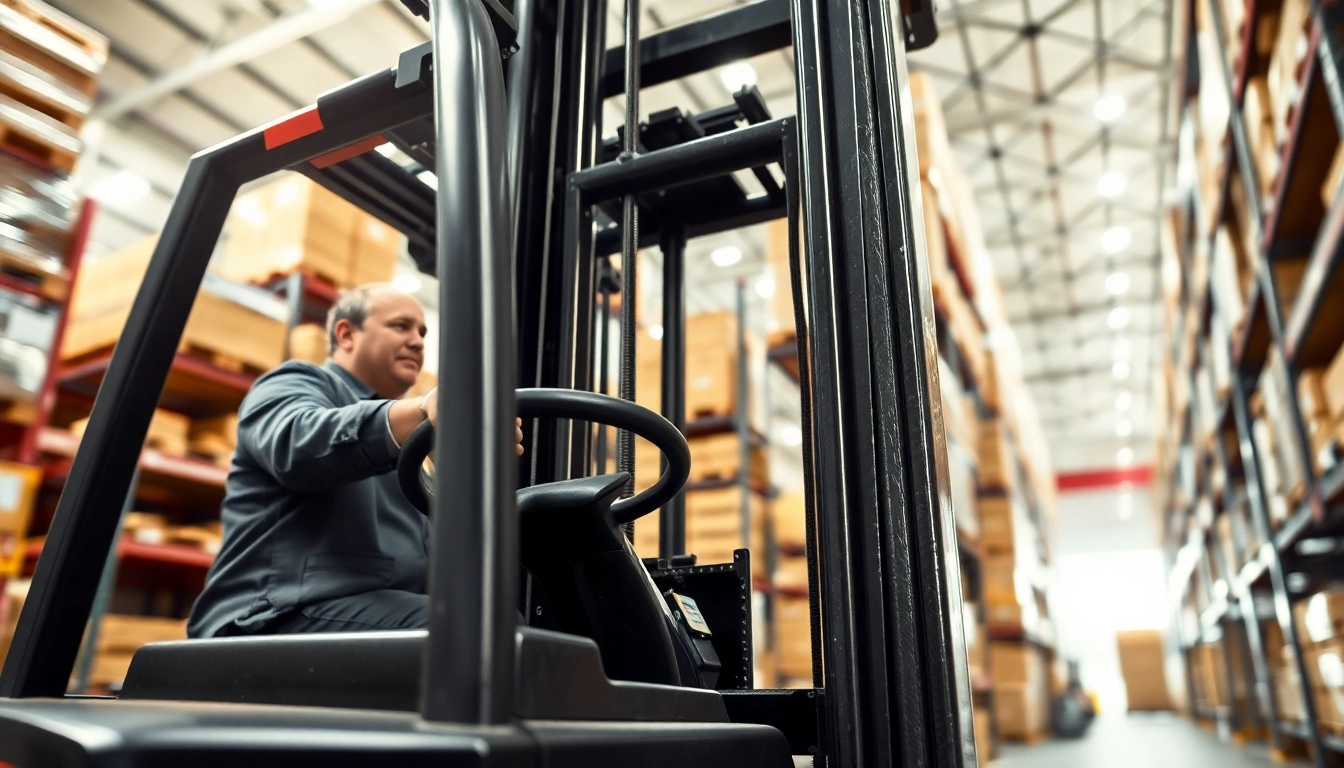
Forklifts are an essential asset in modern warehousing and industrial operations. They facilitate the efficient transport of materials and goods, drastically reducing manual labor while improving safety and productivity. Understanding the various applications and functionalities of a forklift can help businesses optimize their material handling processes, ensuring timely deliveries and streamlined operations.
Understanding Forklift Functions and Applications
Forklifts are versatile machines utilized across various sectors, including manufacturing, construction, and distribution. Their primary function is to lift, transport, and stack materials efficiently. Depending on the type, forklifts can handle a wide range of loads, from pallets of goods to heavy machinery parts. They are vital for;
- Moving goods short distances within warehouses.
- Loading and unloading delivery trucks.
- Managing inventory in storage facilities.
- Transporting materials in construction sites.
By adapting the operation of forklifts to suit specific tasks, companies can enhance efficiency and reduce operational bottlenecks. Their ability to maneuver in tight spaces makes them particularly valuable in warehouses where space optimization is critical.
Types of Forklifts and Their Uses
There are numerous types of forklifts, each designed for specific applications:
- Electric Forklifts: Ideal for indoor use; they are quiet, less polluting, and efficient for light to medium-duty tasks.
- Internal Combustion Forklifts: Powered by propane or diesel, these forklifts are suited for heavy tasks and outdoor use.
- Reach Trucks: Perfect for navigating narrow aisles and reaching high shelving, these machines are a staple in warehouse environments.
- Pallet Jacks: These manually operated forklifts are designed for moving pallets over short distances.
- Telehandlers: A hybrid between a forklift and a crane, these are used for lifting heavy loads in construction and farming.
Benefits of Using Forklift in Warehousing
The incorporation of forklifts into warehousing operations presents numerous benefits. Some of these include:
- Enhanced Productivity: Forklifts can move larger quantities of goods more quickly than manual handling, significantly boosting operational throughput.
- Improved Safety: By automating heavy lifting tasks, forklifts reduce the risk of workplace injuries associated with manual handling.
- Cost Efficiency: While the initial investment in forklifts may be significant, the long-term savings through increased productivity and reduced labor costs are considerable.
- Space Optimization: Utilizing forklifts facilitates better space management, allowing for taller racking systems and maximizing storage capacity.
Safety Protocols for Forklift Operation
Safety is paramount in any operation involving forklifts. Adhering to established safety protocols can prevent accidents and injuries, ensuring a safer workplace.
Pre-Operation Safety Checks
Prior to operating a forklift, operators must conduct thorough pre-operation checks to ensure the forklift is in good working condition. This includes:
- Checking the fluid levels (oil, water, fuel).
- Inspecting brakes, lights, and horn for functionality.
- Examining tires for wear and proper inflation.
- Testing the lifting mechanism and controls to ensure they operate smoothly.
Common Safety Guidelines to Follow
Following key safety guidelines during forklift operation can significantly reduce risks:
- Always wear a seatbelt while operating the forklift.
- Do not exceed the forklift’s weight capacity.
- Ensure the load is balanced and secure before moving.
- Use horns at blind corners and maintain visibility.
- Never allow unauthorized personnel to operate the forklift.
Immediate Actions in Case of Emergency
In an emergency situation, it is crucial to remain calm and follow established protocols. Key steps include:
- Shutting down the forklift immediately.
- Alerting safety personnel and reporting the incident.
- Administering first aid to any injured personnel as trained.
- Documenting the incident for safety review and operational improvements.
Forklift Maintenance: Best Practices
Regular maintenance extends the life of forklifts and safeguards operational efficiency. Implementing best practices for maintenance is vital.
Routine Inspection Procedures
Establishing a routine inspection schedule helps identify potential issues before they escalate. Common practices include:
- Daily checks by operators before each shift.
- Weekly maintenance checks by certified technicians.
- Annual comprehensive inspections to ensure compliance with safety standards.
Importance of Regular Maintenance
Conducting maintenance regularly is critical for several reasons:
- Helps maintain optimal performance and reduce downtime.
- Fosters a safe working environment by minimizing risks of malfunction.
- Ensures compliance with operational standards and regulations.
Signs of Poor Forklift Condition
Operators should be vigilant for signs indicating a forklift may require servicing:
- Unusual noises during operation.
- Delayed response of the control system.
- Frequent breakdowns or unscheduled downtimes.
- Visible wear and tear on tires and structural components.
Advanced Forklift Operating Techniques
For skilled operators, mastering advanced techniques can lead to safer and more efficient forklift operations.
Efficient Loading and Unloading Methods
Adopting efficient loading and unloading methods is essential for maximizing productivity:
- Ensure that load centers are accurate before lifting.
- Utilize loading techniques that minimize risk, such as using designated loading/unloading zones.
- Employ the appropriate attachments for unique loads.
Handling Different Load Types
Different types of loads require distinct handling techniques. Considerations include:
- Understanding the dimensions and weight distribution for large items.
- Utilizing specialized forks or attachments for awkwardly shaped loads.
- Following specific guidelines for hazardous materials if applicable.
Boosting Productivity with Forklift
Boosting productivity with forklifts can involve various strategies:
- Investing in operator training programs to enhance skills and knowledge.
- Implementing warehouse management systems to better coordinate efforts.
- Utilizing automation technologies to streamline load handling.
FAQs about Forklift Usage and Certification
What are the three types of forklifts?
Class I: Electric Motor Rider Forklifts, Class II: Electric Motor Narrow Aisle Forklifts, Class III: Electric Pallet Jacks.
Do I need a license to operate a forklift?
Yes, operating a forklift requires certification, which involves training on safety practices and operational protocols.
How often should I service my forklift?
A forklift should be routinely serviced every 200-300 hours of operation, or at least once a year, to maintain safety and efficiency.
What weight can a forklift typically lift?
Forklifts can typically lift loads ranging from 3,000 to 15,000 pounds, depending on their design and specifications.
How can I choose the right forklift for my business?
Consider load capacity, operating environment, and specific tasks required when selecting a forklift model for your needs.