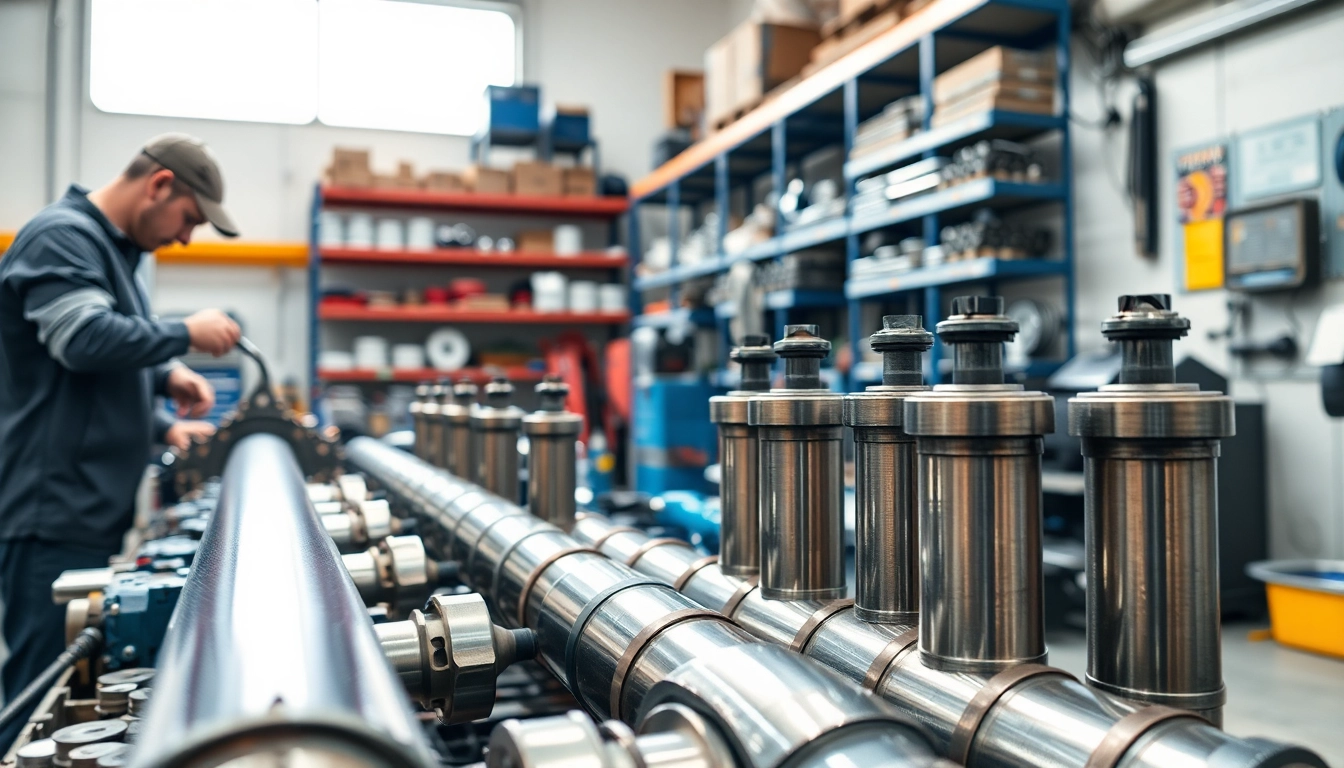
Understanding Hydraulic Cylinder Repair
What is Hydraulic Cylinder Repair?
Hydraulic cylinder repair refers to the process of diagnosing, correcting, and restoring the operational efficiency of hydraulic cylinders. These crucial components are used in various applications, including construction equipment, manufacturing machinery, and automotive systems. Over time, hydraulic cylinders can experience wear and tear, leading to leaks or decreased performance. Repairing a hydraulic cylinder requires a combination of technical skills, the right tools, and a solid understanding of hydraulic systems. Engaging in a hydraulic cylinder repair not only restores functionality but can also save costs compared to replacing the entire unit.
Common Issues in Hydraulic Cylinders
Hydraulic cylinders may present a variety of issues, significantly impacting their performance. Here are some common problems:
- Leaking Seals: One of the most frequent issues, leaks occur when the seals degrade or become damaged due to wear, contamination, or improper installation.
- Cylinder Scoring: Abrasive particles in hydraulic fluid can lead to scoring of the cylinder walls, affecting the seal's ability to maintain pressure.
- Pitting: This results from corrosion and can compromise the structural integrity of the cylinder.
- Inadequate Pressure: Shortages of hydraulic pressure can arise from problems within the pump or system blockage.
Importance of Timely Repairs
Timely hydraulic cylinder repairs are essential to prevent small problems from escalating into larger, more complex issues. Regular maintenance and prompt repairs help ensure machinery operates efficiently and safely, reducing downtime and associated costs. Addressing issues early can enhance the longevity of hydraulic components and improve overall operational effectiveness.
Tools and Equipment for Hydraulic Cylinder Repair
Essential Tools You'll Need
Having the right tools is crucial for successful hydraulic cylinder repair. Some essential tools include:
- Wrenches and Sockets: These are necessary for disassembling and reassembling components securely.
- Seal Replacers: Special tools designed to make the installation of new seals easier and more effective.
- Micrometers and Calipers: For measuring cylinder dimensions and detecting wear or deformation.
- Hydraulic Jacks: Useful for lifting heavy components safely during repair.
Safety Equipment for Repair Tasks
Safety is paramount when performing hydraulic repairs. Essential safety equipment includes:
- Safety Goggles: Protect your eyes from sudden fluid sprays or debris.
- Gloves: Durable gloves will safeguard against cuts and hazardous fluids.
- Steel-toe Boots: Protect your feet from heavy falling objects or equipment.
Choosing the Right Environment
A suitable environment for hydraulic cylinder repair ensures safety and efficiency. Create a clean, organized workspace, free from unnecessary clutter. Adequate lighting will help you see the details during inspection and assembly. Ensure proper ventilation, especially when working with hydraulic fluids that may emit harmful fumes.
Step-by-Step Process for Hydraulic Cylinder Repair
Disassembling the Hydraulic Cylinder
Disassembling a hydraulic cylinder must be done carefully to prevent damage to components. Follow these steps:
- Depressurize the cylinder system completely.
- Remove any external attachments.
- Use appropriate tools to loosen and remove bolts.
- Gently slide the piston out of the cylinder bore while taking note of the order of components.
Inspecting Cylinder Components
Once disassembled, inspect each component for signs of wear, damage, or contamination. Look for:
- Damage to the seals or O-rings.
- Scoring or pitting on the cylinder walls.
- Corrosion or discoloration on metallic parts.
- Fluid contamination within the cylinder.
Document your findings to inform the repair process and identify required replacements.
Reassembling with Precision
When reassembling, precision is key to ensure functionality:
- Begin with clean and inspected components.
- Install new seals and O-rings, following manufacturer specifications.
- Carefully align and insert the piston back into the cylinder.
- Securely fasten all bolts, following the manufacturer's recommended torque specifications.
Best Practices and Tips
Regular Maintenance to Prevent Repairs
Consistent maintenance greatly reduces the need for repairs. Follow a regular service schedule that includes checking for leaks, changing hydraulic fluid, and inspecting seals. Keeping your hydraulic system clean can prevent contamination that leads to wear and failure.
Common Mistakes to Avoid
Avoiding common mistakes will lead to more effective repairs:
- Ignoring Signs of Wear: Addressing issues promptly prevents more extensive repairs later on.
- Using Incorrect Tools: Using improper tools can damage components and result in unsafe repairs.
- Neglecting Safety Procedures: Always prioritize safety to avoid injuries or accidents during repairs.
When to Seek Professional Help
While many repairs can be done independently, there are situations where professional help is warranted:
- Complex hydraulic systems may require specialized knowledge.
- Severe damage or pitting usually necessitates expert evaluation and repair.
- Lack of necessary tools or resources for safe disassembly and assembly.
FAQs about Hydraulic Cylinder Repair
What types of hydraulic cylinders can be repaired?
Almost all types of hydraulic cylinders can be repaired, including single-acting, double-acting, and custom-designed units, depending on the extent of damage.
How long does a typical hydraulic cylinder repair take?
The time required for hydraulic cylinder repair varies but typically ranges from a few hours to several days, based on complexity and parts availability.
Can I perform hydraulic cylinder repair myself?
Yes, if you have the proper tools and knowledge, you can repair hydraulic cylinders yourself. However, ensure you follow safety protocols.
What are the signs that a hydraulic cylinder needs repair?
Common signs include visible leaks, loss of pressure, unusual noises during operation, and poor performance of the equipment.
How do I find a reliable hydraulic repair service?
Look for a hydraulic repair service with a good track record, certified technicians, and positive customer reviews to ensure quality repairs.
Contact Information
Call Us: 780.452.2876Email: [email protected]Address: 13111 159 Street Edmonton, AB T5V 1H6