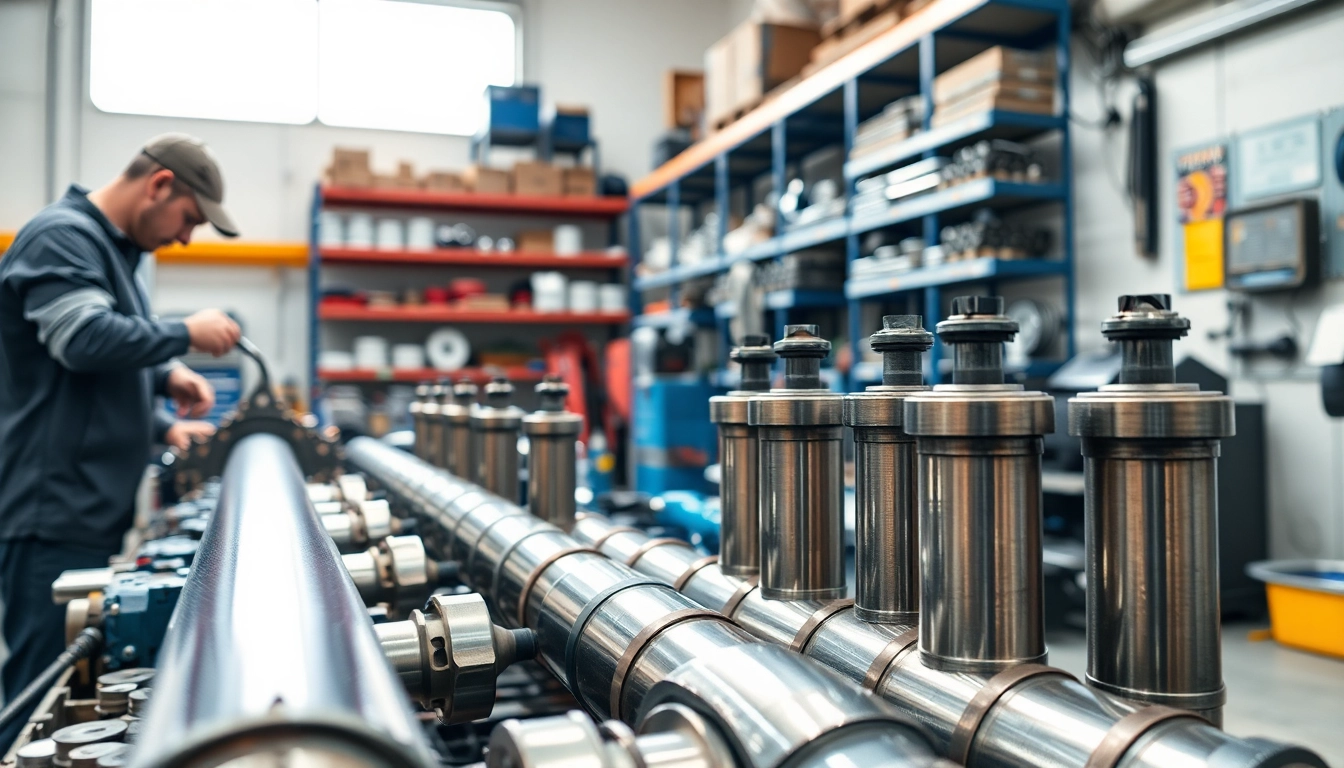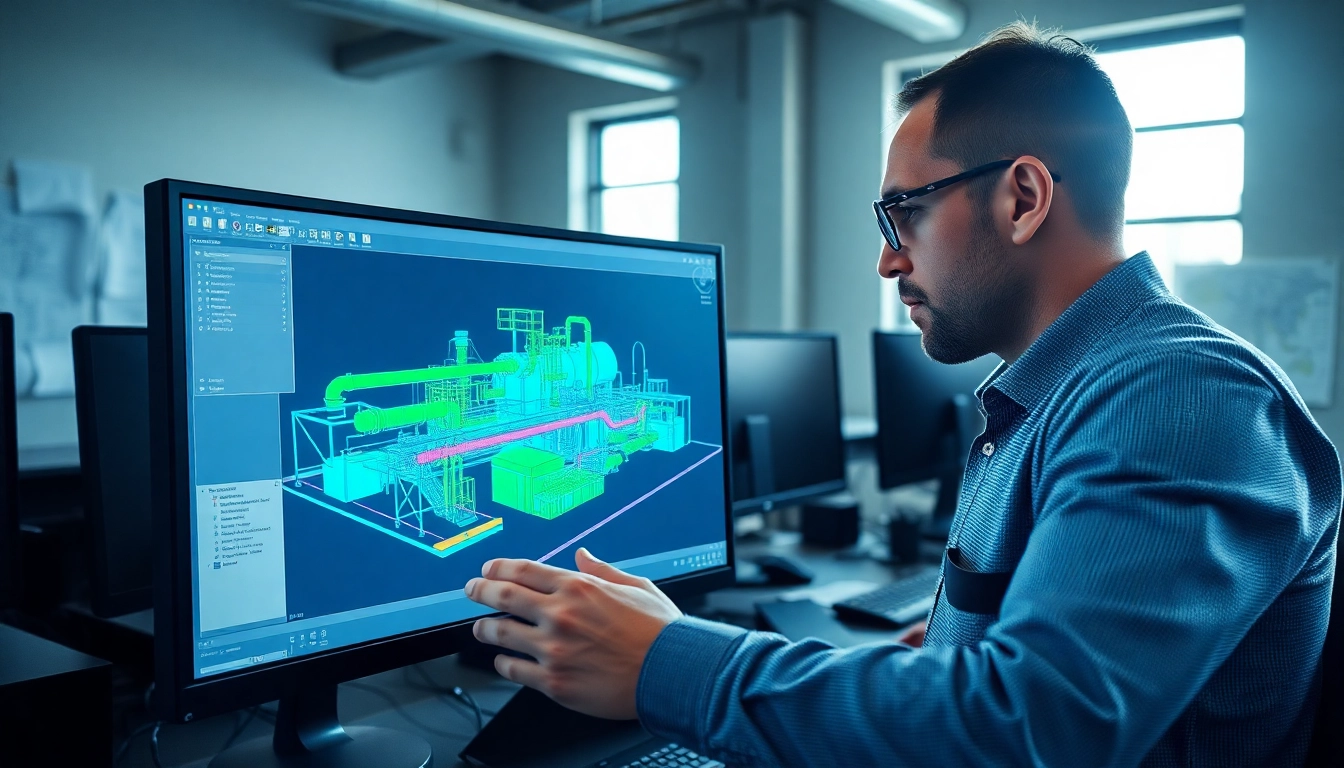
Understanding Plant 3D Spools Generation
Plant 3D spools generation is a crucial component in the workflow of modern industrial design and engineering. This process involves creating detailed spool drawings for piping systems, which facilitate the fabrication and installation of piping components on-site. The efficiency and accuracy of this process can significantly impact project timelines and budgets, making it essential for engineers and project managers. Whether you are an experienced engineer or just starting with Plant 3D, mastering Plant 3D spools generation helps streamline operations and enhance project outcomes.
What is Plant 3D Spools Generation?
At its core, Plant 3D spools generation refers to the automated or manual process of creating drawings that represent segments of piping systems. These spools typically encompass a defined length of pipe, fittings, and associated components that are fabricated off-site or on-site based on specific design parameters. The generation process may involve creating isometric drawings, which detail the spool's configuration, dimensions, and specifications, making it easier to fabricate and assemble the intended system.
Importance of Effective Spool Management
Effective spool management is vital for several reasons. Firstly, it helps ensure that all piping components are fabricated with precision, minimizing the need for adjustments on-site. This can lead to significant time savings and cost reductions during the construction phase. Secondly, having well-organized spools can enhance collaboration among various stakeholders, including designers, fabricators, and installers, facilitating smoother communication and reducing errors in the fabrication and installation processes. Most importantly, it supports compliance with industry standards and regulations, ensuring that projects meet safety and operational requirements.
Key Terminology in Spool Generation
Understanding the jargon associated with Plant 3D spools generation is essential for effective communication among team members and stakeholders. Key terms include:
- Spool: A segment of the piping system that is designed to be fabricated as a single unit.
- Isometric Drawing: A three-dimensional representation of piping systems that outlines dimensions and specifications.
- Spool Numbering: A systematic approach to labeling spools for easy identification and tracking through the project lifecycle.
- Fabrication: The process of constructing piping components based on engineered drawings and specifications.
Best Practices for Plant 3D Spools Generation
Setting Up Your Environment Efficiently
Before initiating the spool generation process, it is essential to set up your workstation to maximize efficiency. This includes configuring your Plant 3D environment to meet the project requirements. Consider the following:
- Ensure that you have the latest software updates and patches installed to access the latest features and fixes.
- Organize your project files and libraries in a logical manner to facilitate quick access to necessary components.
- Utilize appropriate templates and styles that align with your project’s standards to maintain consistency across your drawings.
Configuring Spool Naming and Numbering
Consistent naming and numbering of spools are critical for effective management throughout the project lifecycle. Implementing a clear naming convention enables stakeholders to quickly identify and locate specific spools when needed. Best practices include:
- Develop a systematic spool numbering approach that incorporates project identifiers and functionality to differentiate between systems.
- Maintain a record of assigned spool numbers and their corresponding specifications to aid in tracking during the fabrication and installation phases.
- Regularly audit spool numbers to ensure compliance with the established naming conventions, making adjustments where necessary.
Defining Spool Boundaries Accurately
Defining spool boundaries accurately is essential in avoiding errors during fabrication. Clear boundaries help ensure that only the necessary components are included in each spool. Recommended strategies include:
- Utilize the tools available in Plant 3D to create well-defined boundaries for each spool based on system requirements.
- Double-check that all necessary components are included within the defined spool boundaries while ensuring that excess components are excluded.
- Validate spool boundaries with team members to confirm accuracy before initiating the fabrication process.
Troubleshooting Common Issues
Common Errors in Plant 3D Spools Generation
Even experienced users may encounter common issues during the spooling process. Recognizing these issues can prevent delays and rework. Some prevalent errors include:
- Incorrect spool boundaries resulting in missing or excess components.
- Conflicting spool naming conventions leading to confusion among team members.
- Inconsistent specifications for different spools, causing fabrication challenges.
Solutions to Spool Generation Problems
When faced with errors in the spooling process, applying effective solutions can mitigate issues. Some solutions include:
- Conduct regular training sessions for team members to familiarize them with Plant 3D features and best practices.
- Develop a checklist for reviewers to follow during the spool validation phase to ensure no critical elements are overlooked.
- Utilize plant design software's built-in auditing tools to identify and rectify any inconsistencies in spool definitions.
When to Seek Expert Guidance
There are times when issues may not be easily resolved internally. It’s advisable to seek expert guidance when:
- Persistent errors occur that disrupt the workflow despite troubleshooting efforts.
- Implementing a new software version or feature requires specialized knowledge.
- The team lacks experience in a specific area of spool generation, impacting project efficiency.
Advanced Techniques in Plant 3D Spools Generation
Integrating Automation in Spool Creation
Automation in spool creation can significantly enhance productivity and reduce human error. Consider leveraging automation through:
- Utilizing Plant 3D's automation features to create repetitive components and spool assignments seamlessly.
- Implementing scripting solutions to facilitate bulk changes or updates across multiple spools quickly.
- Investigating third-party tools that integrate with Plant 3D to enhance automation capabilities in spool management.
Customizing Spool Templates for Specific Projects
Customizing spool templates can provide tailored solutions for unique project requirements. Customization approaches include:
- Modifying existing templates to incorporate specific client branding, standards, or regulatory requirements.
- Creating project-specific templates that take into account the complexity and scale of the project.
- Regularly updating templates based on lessons learned from previous projects to continually enhance efficiency.
Utilizing Add-ons for Enhanced Functionality
Add-ons can provide additional features and functionalities that support the spooling process. Recommendations include:
- Research available add-ons that integrate with Plant 3D to automate various aspects of spool generation.
- Choose add-ons that enhance project collaboration capabilities, allowing for seamless sharing and communication among stakeholders.
- Assess the cost-effectiveness of implementing add-ons in relation to the potential for increased efficiency and accuracy in spool generation.
Future Trends in Spool Generation
The Impact of AI and Machine Learning
AI and machine learning are set to revolutionize spool generation processes by enabling smarter automation. These technologies can assist in:
- Analyzing patterns in previous spool generation data to enhance accuracy and reduce errors.
- Automatically generating recommendations for optimal spool configurations based on historical performance.
- Facilitating real-time decision-making through predictive analytics, improving project timelines.
Emerging Software Tools and Innovations
The landscape of design software is rapidly evolving, presenting new tools and innovations that enhance spool generation. Keep an eye on:
- Collaborative platforms that support virtual teams in project execution.
- Software advancements that incorporate cloud technology for accessible project management and real-time updates.
- Integrated solutions that merge design, fabrication, and management into a unified interface.
Preparing for Changes in Industry Standards
As industry standards evolve, staying informed and adaptable is essential for engineering professionals. Key considerations include:
- Regularly reviewing industry publications, webinars, and training programs to remain compliant with updated standards.
- Incorporating feedback mechanisms during projects to adapt practices in line with changing regulations.
- Engaging with professional organizations to contribute to and learn from ongoing industry advancements.
Frequently Asked Questions
What are the key benefits of spooling in Plant 3D?
Spooling in Plant 3D enhances efficiency, reduces on-site errors, simplifies installation, and ensures cost-effective fabrication management.
How can I automate spool generation in Plant 3D?
Utilize Plant 3D's automation tools, scripts, or third-party add-ons to streamline processes and minimize manual input during spool generation.
What is the best way to define spool boundaries?
Use Plant 3D's tools to accurately set pipe and fitting boundaries, ensuring all required components are included and excess items are omitted.
When should I consider customizing spool templates?
Consider customizing templates for specific projects with unique requirements or standards, enhancing consistency and accuracy across your documentation.
How do I troubleshoot common spool generation errors?
Identify the root cause of the issue, validate definitions and settings, consult checklists for accuracy, and consider team training for improved practices.