What Is a Blower Door Test?
Definition and Purpose of Blower Door Test
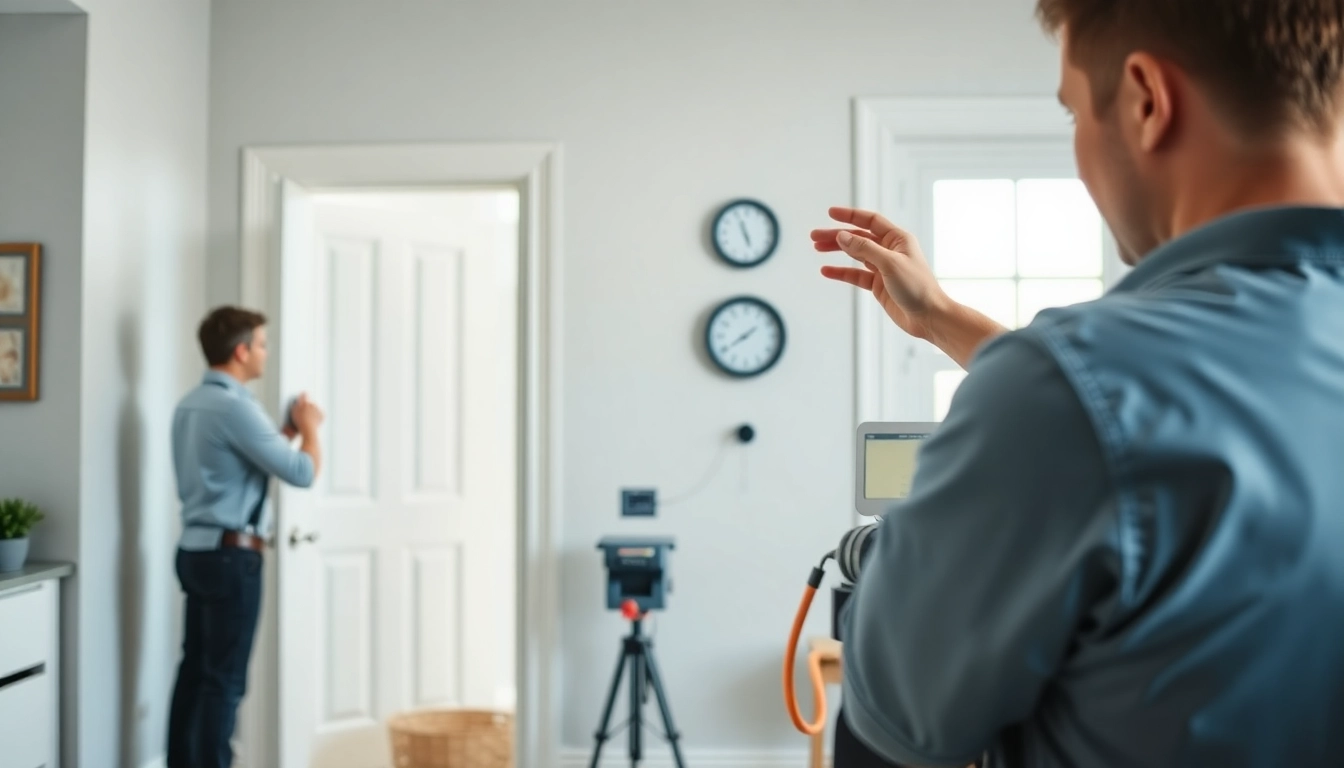
A blower door test is a diagnostic tool used to measure the air tightness of buildings. It helps identify and quantify air leaks in a home's envelope—walls, floors, and ceilings. This assessment is vital for improving a building's energy efficiency, enhancing indoor air quality, and ensuring comfort for the occupants. Essentially, the blower door test allows for the pinpointing of potential energy losses that often go unnoticed.
Key Components Involved in a Blower Door Test
The primary components of a blower door test include:
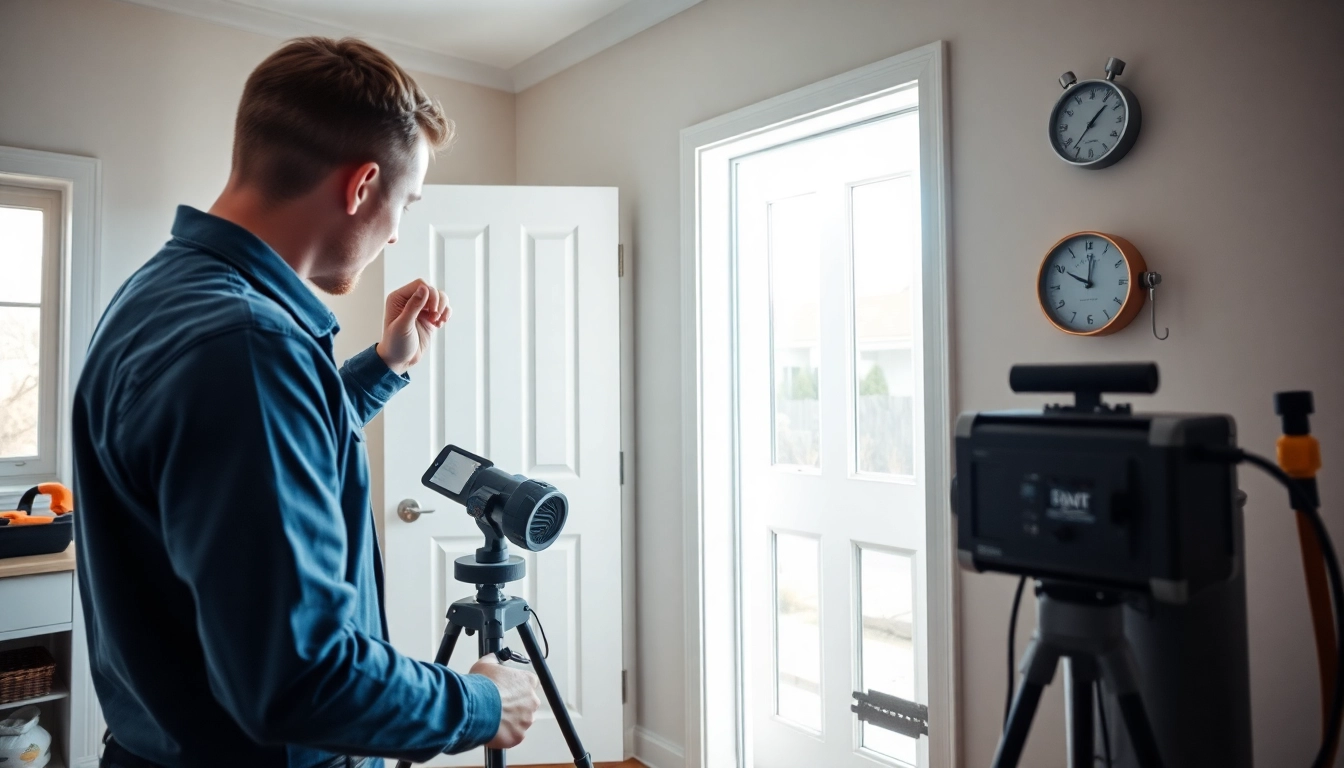
- Blower Door Fan: A powerful fan temporarily replaces the front door of the home, controlled to either pressurize or depressurize the building.
- Pressure Gauges: These measure the air pressure inside and outside the home, allowing for accurate calculations of air leakage.
- Data Logging Equipment: Advanced tests may use additional equipment that logs data throughout the testing process for later analysis.
How Blower Door Test Works
The process begins by sealing all outside openings, such as windows and flues. The blower door fan is then installed in an exterior doorway. The fan operates to either exhaust or draw air in, creating a pressure difference that reveals how much air can leak through the building envelope. Typically, the test is conducted at a pressure of 50 pascals, a standard for energy assessments.
Why Perform a Blower Door Test?
Benefits of Conducting a Blower Door Test
Carrying out a blower door test offers multiple benefits for homeowners, builders, and energy professionals alike, including:
- Improved Energy Efficiency: By identifying air leaks, homeowners can implement necessary repairs, leading to reduced energy consumption and lowered utility bills.
- Enhanced Comfort: The test helps ensure that a home stays consistent in temperature, reducing drafts and cold spots.
- Better Indoor Air Quality: By minimizing air leaks, occupants are less exposed to outdoor pollutants.
- Compliance and Certification: Many energy efficiency programs require a blower door test for certification, adding value to the property.
Common Scenarios Requiring a Blower Door Test
Several situations may call for a blower door test including but not limited to:
- Before implementing an energy retrofit or renovation project.
- In new construction to ensure that the building meets local energy codes.
- As part of an energy audit to improve a home's efficiency.
- When experiencing issues with heating or cooling that cannot be explained otherwise.
Impact on Energy Efficiency and Comfort
Performing a blower door test can significantly impact a home's energy efficiency and comfort levels. By identifying specific leakage points, homeowners can target their sealing efforts effectively. This not only translates into lower energy bills but also creates a more comfortable living environment, with fewer drafts and fluctuations in temperature.
Preparing for a Blower Door Test
Checklist for Homeowners Before Testing
Prior to the blower door test, homeowners should follow this checklist to ensure a smooth process:
- Seal off all combustion appliances such as gas stoves and furnaces to prevent backdrafting.
- Close all windows and doors tightly, ensuring that storm doors are secure.
- Remove any objects blocking doors and passages to facilitate equipment access.
- Manage pets to prevent interference during the test.
Common Misconceptions and Myths
There are several misconceptions surrounding blower door tests that can lead to confusion:
- Myth: Blower door tests are unnecessary if a house appears new or recently renovated.
- Myth: The test is only for problematic homes; it’s not essential for newer constructs.
- Myth: Only experts can understand the results; the process and outcomes are complex.
Choosing a Qualified Technician
Selecting a qualified technician for a blower door test is critical for accurate results. Here are some tips to find the right one:
- Look for certifications from recognized organizations that specialize in energy efficiency.
- Check for experience specifically related to residential blower door testing.
- Request references and review any prior work or customer feedback.
Interpreting Blower Door Test Results
Understanding Air Leakage Measurements
The primary measurement recorded during a blower door test is the air changes per hour (ACH) at 50 pascals. This indicates how many times the total air volume in a home is replaced due to leakage at that pressure. Lower ACH values are preferable, indicating better airtightness.
What Results Indicate About Air Quality
The outcomes of a blower door test can strongly indicate the overall air quality within a home. Higher leakage rates often correlate with increased infiltration of outdoor pollutants, allergens, and moisture, which can aggravate respiratory conditions and diminish indoor air quality.
Next Steps After Receiving Results
Once the blower door test results are in, homeowners are encouraged to take specific actions based on the findings:
- Retain a professional to eliminate identified leaks through caulking, insulation, or other sealing techniques.
- Consider retesting after repairs to assess the improvements in a home's air tightness.
- Engage in ongoing energy audits to monitor and maintain optimal performance.
Frequently Asked Questions About Blower Door Tests
What Does a Blower Door Test Measure?
A blower door test measures the air leakage of a building by assessing the rate at which air enters or exits under controlled conditions.
How Much Does a Blower Door Test Cost?
The cost of a blower door test typically ranges from $300 to $600, depending on your location and specific service provider.
When Is a Blower Door Test Required?
A blower door test is often required for new construction, energy audits, or when major retrofits happen in an existing home to meet energy codes.
How Long Does a Blower Door Test Take?
The test itself normally takes about 30 minutes to an hour, with additional time for preparation and analysis of results.
Can I Prepare My Home for a Blower Door Test?
Yes, homeowners can prepare by ensuring all windows and doors are closed, sealing appliances, and removing obstacles from access points.