Understanding Underfloor Heating Systems
As the demand for energy-efficient and modern heating solutions grows, underfloor heating has emerged as a popular choice among homeowners. This guide aims to delve into the intricacies of underfloor heating systems, exploring their types, benefits, and installation best practices to help you make an informed decision for your home.
What Is Underfloor Heating?
Underfloor heating is a type of heating system installed beneath the floor surface to provide warmth to an entire room or area. Unlike traditional radiators that rely on convection currents, underfloor heating uses radiant heat to warm objects and surfaces in a room. This method ensures a comfortable and consistent temperature throughout the space while reducing energy consumption.
Types of Underfloor Heating: Electric vs. Water
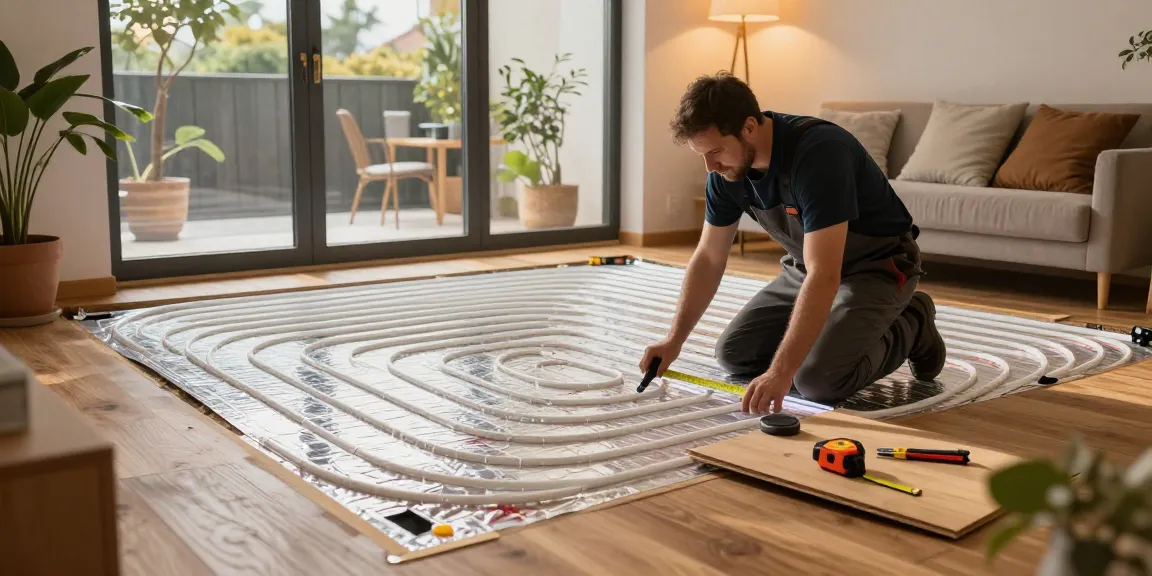
There are two primary types of underfloor heating systems: electric and water-based (hydronic). Electric underfloor heating relies on electric cables or mats installed under the flooring, making it ideal for smaller areas or specific rooms like bathrooms. On the other hand, water-based systems circulate warm water through pipes laid beneath the floor, making them suitable for larger areas and whole-house installations. Each system has its advantages and disadvantages, which should be considered based on your heating needs and installation context.
Benefits of Installing Underfloor Heating in Modern Homes
One of the most significant advantages of underfloor heating is its energy efficiency. By operating at lower temperatures compared to radiators, these systems can significantly reduce energy bills. Additionally, underfloor heating provides a clean aesthetic since it is hidden beneath the flooring, allowing for more design flexibility without bulky radiators. Furthermore, it offers a healthier indoor environment by minimizing dust circulation.
Common Mistakes When Choosing Underfloor Heating
Ignoring Floor Insulation Needs
A frequent oversight when installing underfloor heating is neglecting proper insulation. Insufficient insulation can lead to heat loss, rendering the system less effective. Ensure that your floors are adequately insulated to maximize the efficiency of the heating system.
Overlooking System Compatibility with Floors
Different flooring materials have varying heat conductivity levels. When selecting underfloor heating, it is critical to consider the compatibility of the system with your floor type to avoid inefficiencies or damage. For instance, tile and stone floors work well with both electric and water-based systems, while thick carpet may insulate too much and hinder performance.
Neglecting to Consult Professionals
Installation errors can lead to costly repairs and inefficiencies. Consulting heating professionals ensures that the system is designed and installed correctly, adhering to building regulations and optimizing performance. Their expertise can help you avoid common pitfalls and ensure a successful installation.
Best Practices for Installing Underfloor Heating
Planning Your Layout Effectively
Before installation, carefully plan the layout of the heating system. Identify which areas require heating and ensure the layout does not obstruct furniture placement. Strategic planning helps ensure even heat distribution and maximizes efficiency.
Ensuring Proper Sizing and Measurements
Accurate measurements are crucial when installing underfloor heating. Incorrect sizing can lead to cold spots or excessive heat in certain areas. Make sure to calculate the floor area precisely and take into account the heat loss of the space.
Understanding Local Regulations and Standards
Familiarize yourself with local building codes and regulations regarding heating systems. Compliance with these standards is essential for safety and performance. It may also be necessary to obtain permits before installation.
Cost Considerations for Underfloor Heating
Evaluating Initial Installation Costs
Underfloor heating systems vary in cost depending on the type and complexity of the installation. Electric systems are generally less expensive to install than hydronic systems, but the long-term savings should also be considered when evaluating cost. Typically, installations range from £40 to £100 per square meter, depending on materials and labor.
Long-Term Energy Efficiency Savings
Although the initial installation cost may be higher, underfloor heating can lead to substantial savings on energy bills over time. Because they operate at lower temperatures and distribute heat evenly, homeowners can expect savings of 15% or more on heating costs compared to traditional radiators.
Comparing Costs with Traditional Heating Methods
When weighing your options, it's vital to consider the overall lifetime cost of each heating system. Underfloor heating, while potentially more expensive upfront, often proves to be more cost-effective in the long run due to lower maintenance costs and enhanced energy efficiency compared to conventional heating methods.
Future Trends in Underfloor Heating for 2026
Innovative Technologies Shaping the Industry
The underfloor heating industry is witnessing various technological advancements. Smart thermostats and zoning capabilities are gaining popularity, allowing users to control the heating in specific areas of their homes efficiently. Additionally, improvements in heating cables and insulation materials are leading to enhanced performance.
Increasing Demand for Sustainable Heating Solutions
As environmental concerns rise, homeowners are increasingly looking for sustainable heating solutions. Underfloor heating systems can be integrated with renewable energy sources, such as heat pumps and solar energy. This alignment not only reduces carbon footprints but also appeals to eco-conscious consumers.
Predictions for Home Design Trends with Underfloor Heating
In 2026, we anticipate a shift toward open-plan living spaces that utilize underfloor heating systems. This design trend allows for more flexible furniture arrangements without the constraints of visible radiators. Additionally, the popularity of minimalist interiors will continue to promote underfloor heating as it supports a clean look without bulky heating appliances.
What Are the Benefits of Underfloor Heating?
To summarize, underfloor heating provides numerous benefits, including energy efficiency, aesthetic appeal, and improved indoor air quality. It creates a comfortable living environment while reducing energy bills, making it a smart choice for modern homeowners.
How Long Does Underfloor Heating Take to Install?
Installation time for underfloor heating can vary depending on the system type and the complexity of the project. Typically, electric systems can be installed within a few days, whereas water-based systems may take longer due to additional plumbing work. Planning ahead can help minimize disruption during the installation process.
Can Underfloor Heating Be Added to Existing Homes?
Yes, underfloor heating can be retrofitted into existing homes, although the installation process may be more complicated. Homeowners can choose between electric systems for minimal disruption or hydronic systems, which may involve raising floor heights. Consultation with a professional is recommended to assess feasibility.
Is Underfloor Heating Suitable for All Types of Floors?
While many flooring materials are compatible with underfloor heating, it’s essential to choose wisely. Tiles, stones, and laminate work best with both electric and water-based systems, while hardwood requires careful consideration. Always verify compatibility before installation to avoid issues.
What Maintenance Does Underfloor Heating Require?
Underfloor heating systems generally require minimal maintenance. Regular checks on the system's operation and ensuring proper insulation can keep the system running efficiently. Water-based systems may require periodic checks for leaks, while electric systems typically need less frequent maintenance.