Understanding Pool Enclosure Options
As the demand for outdoor leisure spaces continues to rise, homeowners are increasingly considering enhancements that not only beautify their properties but also extend usability. One such enhancement is a Pool Enclosure. This addition serves to protect the swimming area from adverse weather conditions and debris, as well as to enhance safety for children and pets. This article delves into the various types of pool enclosures, their benefits, and considerations for choosing the right design for your outdoor area.
Types of Pool Enclosures
Pool enclosures come in several styles and materials, each offering unique advantages. Understanding the differences can help you select the right enclosure for your needs.
Screen Enclosures
Screen enclosures are a popular choice for many homeowners. They are constructed from aluminum frames covered with insect mesh, which helps to keep insects and debris out while allowing sunlight and fresh air to flow through. These enclosures are an excellent choice in warmer climates where the primary concern is keeping pests away.
Glass Enclosures
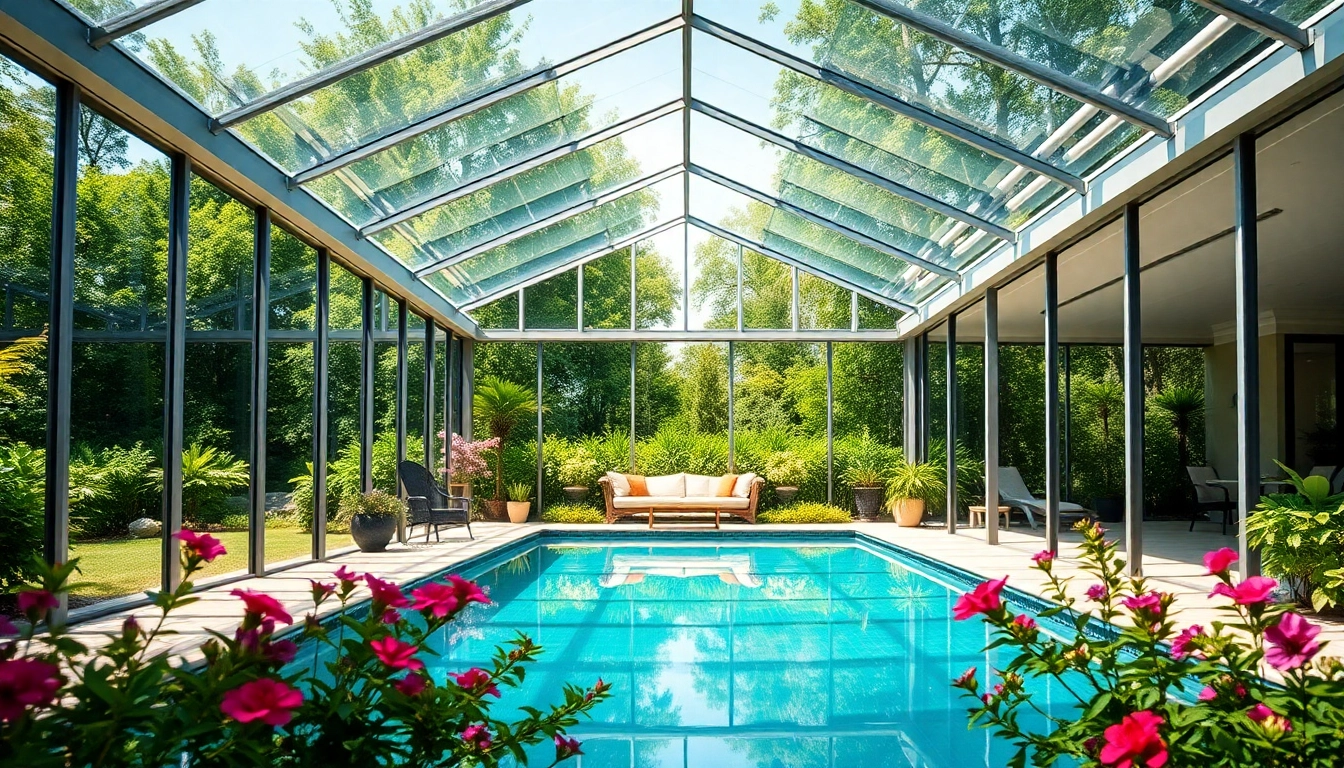
Glass enclosures offer a more upscale appearance and can significantly enhance the aesthetic of your backyard. They create a seamless view of the outdoors while providing protection against the weather. Some glass enclosures also include features for insulation, making them ideal for cooler climates.
Polycarbonate Enclosures
Polycarbonate is a durable material that can withstand severe weather conditions. Unlike glass, polycarbonate enclosures are much lighter and can be designed in various shapes. Additionally, some polycarbonate models can be retractable, offering flexibility and adaptability to the environment.
Inflatable Enclosures
Inflatable pool enclosures are often seen as a budget-friendly option. These structures are usually temporary and can be deployed quickly, offering a simple solution to protect your pool. However, they may lack durability and elegance compared to fixed enclosures.
Benefits of a Pool Enclosure
Choosing to install a pool enclosure comes with numerous benefits that extend beyond mere aesthetics.
Extended Swimming Season
A pool enclosure allows for year-round access to your pool. By maintaining a comfortable environment, you can enjoy swimming regardless of the season.
Reduced Maintenance
By keeping leaves, dirt, and debris out of the pool, enclosures significantly reduce the cleaning time and costs associated with pool maintenance.
Safety Enhancement
Enclosures can serve as a safety barrier, preventing unsupervised access to the pool by children and pets. This safety feature can provide peace of mind for families.
Weather Protection
By shielding the pool from rain, wind, and strong sunlight, enclosures help to preserve water temperature and chemical levels, ensuring a more enjoyable swimming experience.
Choosing the Right Design
The design of your pool enclosure should complement both its functionality and the overall style of your outdoor space. Here are several aspects to consider:
Aesthetic Appeal
Consider how the enclosure’s design aligns with your home's architecture. Choose materials and colors that will match or enhance your outdoor aesthetic.
Functionality
Evaluate how you intend to use your pool area. If you plan to entertain frequently, opting for a larger, more open enclosure may be beneficial. Conversely, for smaller spaces or less frequent use, a more compact design could suffice.
Local Regulations
Before finalizing your design, check local building codes and regulations governing pool enclosures in your area. Some municipalities have specific requirements regarding height, materials, and safety features.
Factors to Consider for Your Pool Enclosure
Climate Considerations
The climate where you live will greatly influence your choice of enclosure. In areas with heavy snowfall, a sturdy design that can withstand winter loads is essential. Conversely, warmer climates might prioritize ventilation and sun protection.
Material Choices for Durability
Opting for high-quality materials could significantly extend the lifespan of your enclosure. Consider options like aluminum, stainless steel, or specific polycarbonate types that resist deterioration under sunlight and humidity.
Budgeting for Your Project
The cost of a pool enclosure can vary significantly based on size, materials, and installation complexity. Setting a budget before beginning the project will help you narrow down options and avoid unexpected costs.
Installation Process Overview
Preparation Steps
Before installation, conduct a thorough site assessment. Measure the area accurately and evaluate any existing structures or features that could impact the installation process.
Engaging Professionals or DIY?
Deciding whether to hire professionals or tackle the project yourself depends on your skill level and the enclosure's complexity. While DIY approaches may save on labor costs, hiring experts often ensures a better-finalized product with properly followed regulations.
Understanding Building Regulations
Familiarize yourself with local building codes and permitting processes before installing a pool enclosure. Various locales have requirements regarding materials, heights, and safety features that must be met, so engaging with local authorities early in your project is advisable.
Maintaining Your Pool Enclosure
Once you have your pool enclosure installed, regular maintenance is crucial to ensure its longevity and performance.
Cleaning and Upkeep
Routine cleaning helps prevent grime build-up that can lead to cosmetic damage. Depending on the enclosure type, different cleaning solutions may be required—always refer to manufacturer guidelines for product recommendations.
Winterizing Your Pool Enclosure
In colder regions, preparing your enclosure for winter is essential. This may include removing excess snow and ensuring that drainage systems are clear to prevent ice formation, which can damage the structure.
Preventative Measures
Taking preventive measures can save time and money in the long run. Regularly inspect the enclosure for signs of wear or damage, and conduct necessary repairs promptly
Frequently Asked Questions
What is a pool enclosure?
A pool enclosure is a structure built around your pool, providing protection from debris and weather while enhancing safety.
How much does a pool enclosure cost?
The cost can range from $4,000 to $50,000, depending on the size, materials, and installation requirements.
Are pool enclosures effective?
Yes, they are effective in extending the swimming season, reducing maintenance, and increasing safety for pets and children.
Do I need a permit for a pool enclosure?
Permit requirements vary by location; check local regulations before beginning construction on your pool enclosure.
How long does a pool enclosure last?
With proper maintenance, a well-constructed pool enclosure can last anywhere from 10 to 20 years or longer.