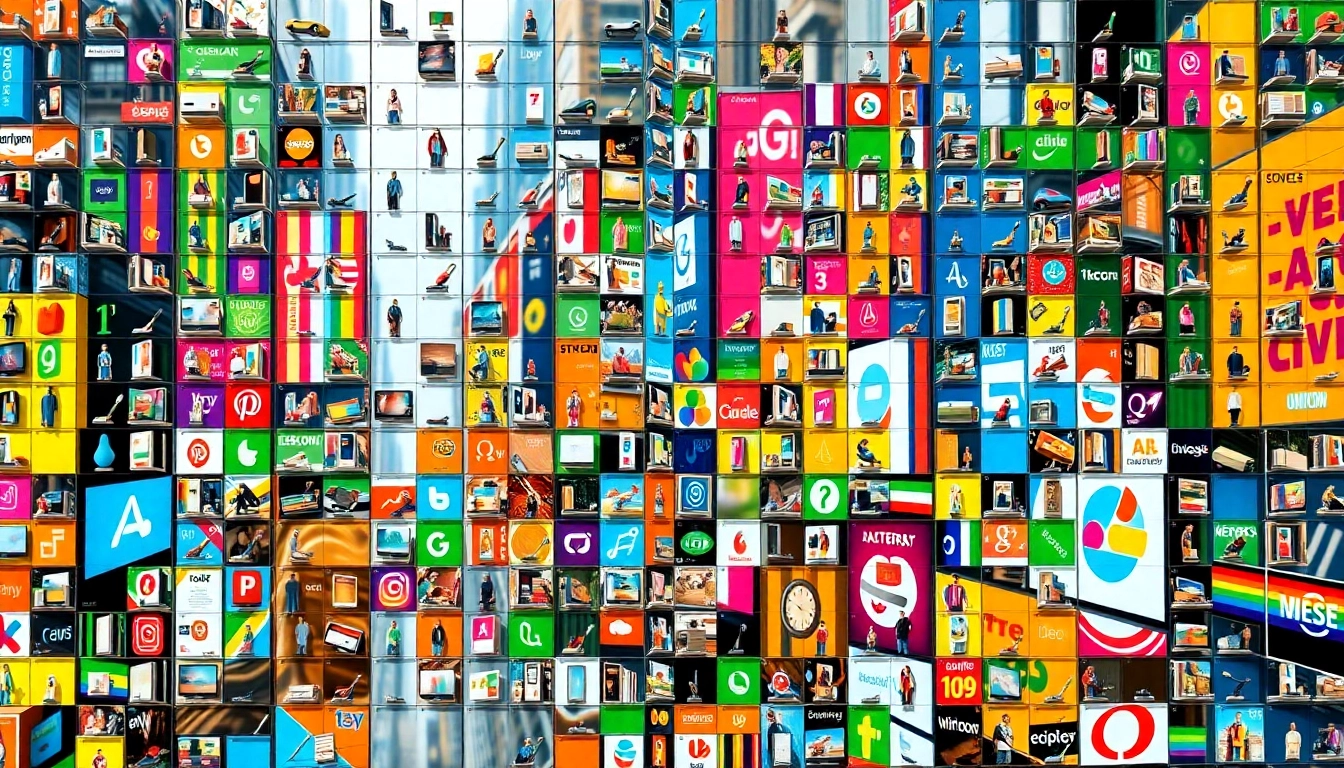
Introduction to the Million Dollar Homepage
Understanding the Concept
The million dollar homepage is a groundbreaking online art project that was conceived to combine visual creativity with digital commerce. The concept was simple yet revolutionary: to sell pixelated space on a website for $1 each, ultimately culminating in a total of one million pixels representing a million dollars. This innovative approach to online advertising allowed individuals and companies to purchase this space and display their logos, links, or messages, effectively creating a mosaic of advertisements. The website became an instant sensation, not just for its unique format, but for the way it captured the imagination and interest of people worldwide.
Historical Context and Creator’s Vision
Launched in 2005 by Alex Tew, a then-21-year-old student from Wiltshire, England, the million dollar homepage emerged as a creative solution to fund his university education. Tew’s vision blended marketing with the burgeoning internet culture, presenting the homepage as a canvas for digital expression during a time when online advertising was rapidly evolving. Tew aimed to create a platform that was not only a financial venture but also a public artwork. By engaging individuals in a novel way, he managed to tap into the possibilities of viral marketing and community involvement from the outset.
Impact on Digital Marketing
The influence of the million dollar homepage extends far beyond its initial success. It catalyzed conversations about the effectiveness of unconventional advertising strategies in an increasingly cluttered digital landscape. Tew's project illustrated that creativity and originality could stand out against traditional ad formats. Marketers began to experiment with similar concepts, leading to a wave of quirky and memorable advertising approaches. The reception of Tew's project helped to normalise the idea that engaging, visually driven content could be an effective means of capturing consumer attention in a way that standard advertising often failed to achieve.
The Business Model Behind the Million Dollar Homepage
Structure of the Advertising Space
The layout of the million dollar homepage was a grid of 1,000 rows and 1,000 columns, each square representing a pixel. This structure permitted advertisers to purchase areas as large as a single pixel or as many as they desired—up to an entire row or column. The modularity of the pixel space created various options for stakeholders, allowing for both small businesses and larger enterprises to participate in a manner proportional to their marketing budget. This unique design facilitated a blend of artistry and advertisement, forming a visually appealing site while providing practical advertising exposure.
Pricing Strategy and Its Success
The initial pricing model was straightforward: $1 for a pixel, leading to a total revenue target of $1 million. This pricing strategy not only made it easy to understand but also incentivized potential buyers with the allure of a limited-time offer. Tew's promotion strategies, including auctioning off larger ad spaces, further spurred interest. The success was swift, with the total pixel count selling out in just a few months—well ahead of his initial projection. This remarkable outcome demonstrated the power of urgency and exclusivity in marketing, principles that still resonate in the digital advertising realm today.
Revenue Generation Insights
Aside from direct sales of pixel space, the million dollar homepage was adept at generating revenue through various ancillary methods. Tew utilized word-of-mouth, social media discussions, and conventional press coverage to amplify visibility. He strategically placed his project within the context of online culture, appealing to those interested in internet phenomena. This nexus of hype and social proof encouraged others to jump on board, which expresses the fundamental tenet of viral marketing: the power of community-driven promotion.
Marketing Strategies Utilized for Success
Viral Marketing Techniques
Viral marketing forms the backbone of the million dollar homepage's promotional success. From its inception, Tew capitalized on the uniqueness and absurdity of the concept, enabling users to share their experiences and participate in a communal trend. The element of fun—turning advertising into a game of aesthetics—led to numerous social media shares. From blogging about the project to engaging in discussions on web forums, every comment and interaction acted as a ripple effect through the internet, drawing even more attention back to the homepage.
Utilizing Social Media for Promotion
In an age where social media was starting to gain traction, the million dollar homepage leveraged platforms like MySpace and early iterations of Facebook for promotion. Tew understood the importance of reaching users where they congregated, making clever use of social networks to amplify the project's message. Engagement strategies included allowing users to contribute their thoughts or share their pixel locations online. Social proof and the community aspect ensured that visitors remained curious and engaged.
User Engagement Tactics
Encouraging visitors to participate actively was crucial for the project’s longevity and appeal. Tew implemented techniques such as regular updates, blog posts, and creative contests that asked users to pitch their faces or brands to advertise. This not only kept current advertisers invested but also helped to draw in new users looking to join in on the fun. By nurturing a sense of ownership and investment among participants, Tew cleverly cultivated a feeling of camaraderie that transcended basic commercial transactions.
Lessons Learned from the Million Dollar Homepage
Effective Online Advertising Techniques
The million dollar homepage serves as a textbook example of how innovative advertising techniques can achieve remarkable results. The key takeaway is the importance of storytelling in marketing—Tew managed to turn a simple website into a compelling narrative surrounding art, commerce, and creativity. For marketers looking to capture audience attention, this case underscores the need to think outside traditional ad formats and embrace novelty as a means to stimulate engagement.
Challenges and Misconceptions
While the million dollar homepage is generally regarded as a success, it also faced its share of challenges and misconceptions. Critics often questioned its sustainability in the long-term and as a genuine art form. However, the very notion of ‘art’ in advertising tends to elicit mixed responses. Tew’s venture challenges conventional boundaries, suggesting that effective engagement can transcend industry norms without becoming automatically viewed as trivial or superficial. Adopting a creative lens and understanding audience expectations helps to navigate such misconceptions.
Future Directions for Similar Campaigns
For future campaigns looking to emulate the success of the million dollar homepage, there are several factors to consider. First and foremost is the ability to target a motivated audience effectively, ensuring engagement every step along the way. Expanding beyond digital-only initiatives can also create hybrid experiences that captivate audiences both online and offline. Emphasizing authenticity, user participation, and creative expression remain these projects' lifeblood as they navigate an ever-evolving digital marketing landscape.
FAQs about the Million Dollar Homepage
What is the Million Dollar Homepage?
The million dollar homepage is an online project initiated by Alex Tew, consisting of one million pixels sold for $1 each, allowing advertising space for logos and links.
How does the Million Dollar Homepage work?
Advertisers purchase pixel space to display their brands or messages, forming a collective visual brand mosaic, ultimately aimed at reaching targeted online audiences.
Why was the Million Dollar Homepage successful?
The million dollar homepage's success came from its innovative approach, viral marketing, and engaging community participation, which generated significant buzz and media attention.
Can the Million Dollar Homepage model be replicated?
While the model can be replicated, it requires a unique twist on advertising, strong community engagement, and a compelling narrative to capture public interest effectively.
What are the key takeaways from the Million Dollar Homepage?
Key takeaways include the importance of creativity in advertising, effective storytelling, community engagement, and the ability to harness social media for promotional success.