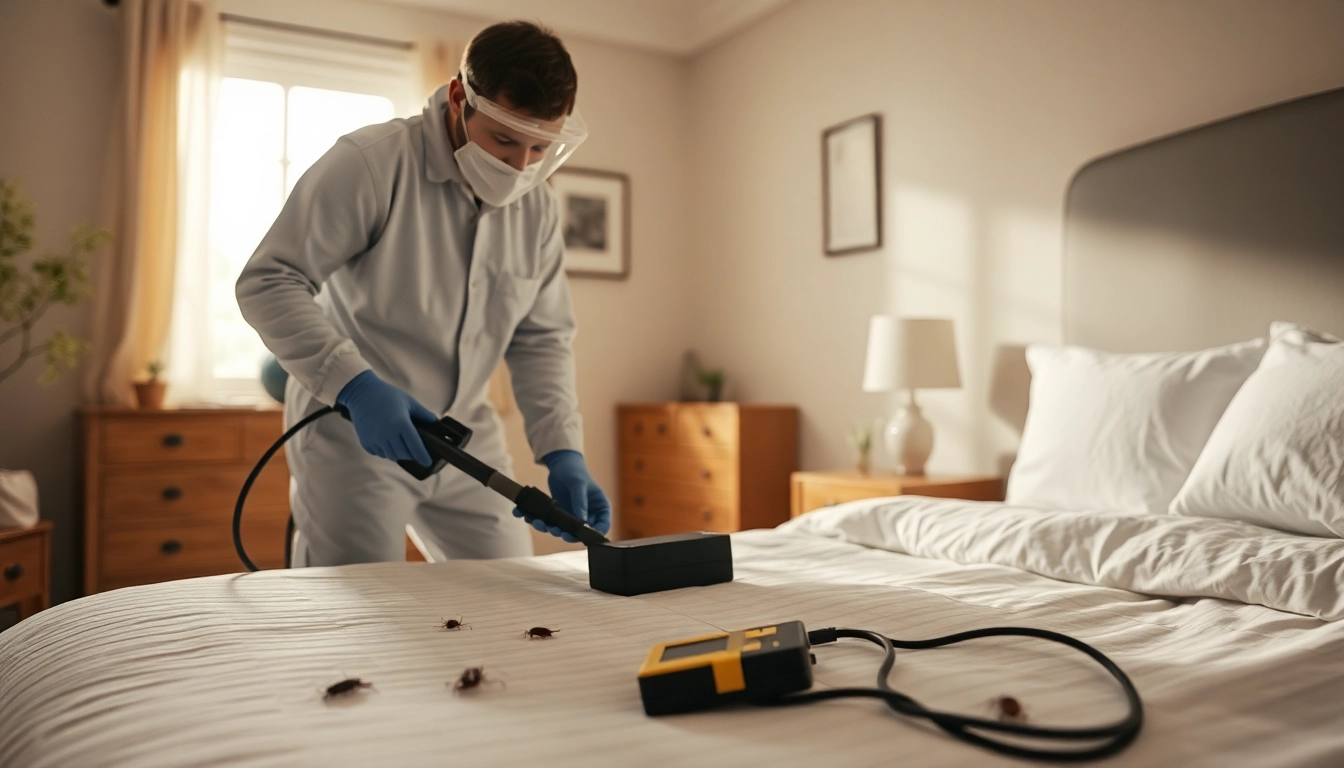
Understanding Bed Bug Treatment: The Basics
Bed bugs are notorious pests that can cause immense stress and discomfort for affected individuals. Their resilience and ability to hide make them challenging to eradicate. Thus, understanding effective bed bug treatment is crucial for any homeowner facing an infestation. Knowledge can empower you to make the right decisions and restore a restful environment in your home. This guide will provide a comprehensive overview of bed bug treatment strategies, preparing for them, and ensuring success post-treatment.
Identifying Bed Bugs and Their Life Cycle
Bed bugs (Cimex lectularius) are small, oval, reddish-brown insects that feed on the blood of humans and animals. Adult bed bugs typically measure between 4 to 5 mm in length. Their life cycle consists of several stages: egg, nymph, and adult. Female bed bugs can lay 200-500 eggs during their lifespan, which contributes significantly to their rapid proliferation.
Eggs are tiny and white, making them hard to spot. Nymphs are smaller and lighter in color, becoming darker as they mature. Understanding this life cycle is crucial because effective bed bug treatment must target all stages of development, especially the eggs, which are resistant to many forms of treatments.
Signs of Infestation: What to Look For
Identifying a bed bug infestation early increases the likelihood of successful treatment. Common signs include:
- Physical Sightings: Spotting live bugs, especially around bedding or furniture.
- Dark Spots: Fecal stains that appear as dark spots on sheets and mattresses.
- Skin Remnants: Finding molted exoskeletons in hiding places.
- Bed Bug Bites: Red, itchy welts that may appear overnight, often in a pattern.
If you notice these signs, taking immediate action is vital to prevent further spreading and complicating the situation.
Common Myths About Bed Bug Treatment
Several misconceptions around bed bugs can hinder effective treatment:
- Myth 1: Bed bugs are only found in dirty environments. Truth: Bed bugs can infest any living space, regardless of cleanliness.
- Myth 2: You can exterminate bed bugs using household remedies. Truth: While some may offer temporary relief, comprehensive treatment often requires professional intervention.
- Myth 3: Bed bugs carry diseases. Truth: Although they don't spread diseases, their bites can cause allergic reactions.
Dispelling these myths is crucial in effectively managing treatment and ensuring that infestations don't recur.
Preparing Your Home for Bed Bug Treatment
Effective bed bug treatment begins long before the exterminator arrives. Preparation is essential to ensure successful eradication.
Decluttering and Cleaning: Essential Steps
A clean environment can significantly aid in the treatment process. Start with decluttering your living spaces. Items such as clothes, bedding, and personal items should be placed in sealed bags for washing or drying at high temperatures. Make sure to:
- Vacuum carpets, furniture, and all dust-prone areas.
- Dispose of the vacuum bag immediately if you vacuumed infested areas.
- Reduce clutter to eliminate potential hiding places for bed bugs.
By doing this, you help create a more straightforward path for extermination and reduce harboring spaces.
What to Expect Before Professional Treatment
Once you've prepared your home, expect the professionals to assess the level of infestation. They will usually check areas like:
- Mattresses and box springs
- Bed frames
- Couch and upholstered furniture
- Baseboards and electrical outlets
- Cluttered areas
The extent of the infestation can determine the strategy they use, as well as the duration and cost of treatment.
Important Safety Precautions for Homeowners
When preparing for treatment, prioritize safety. Here are some essential factors to consider:
- Evacuation: You may need to vacate your home for a few hours or, in some cases, a few days, depending on the treatment used.
- Pets: Remove pets from the premises or place them in safe, isolated areas, as chemicals or heat treatments may be harmful.
- Children: Ensure that children stay away from treated areas until fully secured.
Following these precautions can enhance both safety and treatment effectiveness.
Types of Bed Bug Treatment Options
Various treatment methods can be utilized to eradicate bed bugs effectively. Each has its advantages and disadvantages that should be evaluated before choosing the best fit for your situation.
Heat Treatment: How It Works
Heat treatment is one of the most effective methods for exterminating bed bugs. The process involves raising the temperature of the affected areas to levels lethal to bed bugs, often exceeding 120°F. This method not only kills bed bugs in their adult form but also nymphs and eggs. Here’s how it typically works:
- The treatment area is sealed to maintain temperature.
- Special heaters are introduced to gradually raise room temperatures.
- Monitoring equipment ensures the heat penetrates materials effectively.
Heat treatment can often result in a one-time visit, making it relatively quick, provided the process is executed correctly.
Chemical Treatments: Pros and Cons
Chemical insecticides are commonly employed in bed bug treatment due to their accessibility and affordability. They can come in several forms, including sprays and powders. However, there are pros and cons:
Pros:
- Accessible and easy to apply.
- Diverse options allow customization based on specific circumstances.
Cons:
- Some bed bugs have developed resistance to certain chemicals.
- Multiple applications might be needed.
While chemical treatments can be effective, they are best utilized in conjunction with other methods to ensure comprehensive eradication.
DIY Solutions: Are They Effective?
Many homeowners consider DIY solutions for bed bug treatment due to cost savings. However, results vary widely as some may find relief while others may not achieve desired efficacy. Common DIY methods include:
- Steaming affected areas
- Using approved insecticides
- Utilizing diatomaceous earth
While DIY methods may offer temporary relief, they are generally less effective for extensive infestations. In most cases, professional assistance is recommended for complete elimination.
Post-Treatment Care: Ensuring Success
Successfully treating bed bugs involves not just the elimination process but also extensive follow-up care and precautions to prevent their return.
Monitoring for Recurrence After Bed Bug Treatment
After treatment, monitoring is critical. Check in various areas regularly, especially where bed bugs are known to hide. Effective monitoring strategies include:
- Inspecting bed frames and mattresses.
- Using bed bug interceptors underneath bed legs.
- Continuing to maintain a clutter-free environment.
Awareness and monitoring can help catch any potential resurgence before it escalates.
Home Maintenance Tips to Prevent Future Infestations
Preventive measures can play an essential role in thwarting future infestations. These include:
- Regular cleaning of bedding, curtains, and upholstery.
- Inspecting luggage and second-hand furniture before bringing them into the home.
- Traveling with bed bug-resistant luggage.
Implementing these practices not only helps in minimizing risk but also provides peace of mind.
When to Seek Professional Help Again
If you notice signs of bed bugs returning, or if bites persist despite thorough monitoring and preventive measures, it's crucial to consult professionals again. Extensive expertise can help identify the underlying issues that perpetuate the infestation and provide a tailored approach to effectively address them.
Frequently Asked Questions About Bed Bug Treatment
What will 100% kill bed bugs?
Bed bugs exposed to temperatures above 113°F for enough time will die. To achieve complete mortality, 118°F must be maintained for at least 90 minutes, especially for eggs.
What is the most effective treatment for bed bugs?
Heat treatments remain highly effective, as they eliminate all life stages of bed bugs. Insecticide sprays targeting hiding spots can also be effective when strategically applied.
How long does bed bug treatment take to work?
The duration for successful treatment may vary; it can take several days to weeks, depending on the extent of the infestation and the methods employed.
Can I treat bed bugs on my own?
DIY methods are available, but they are usually less comprehensive. Professional treatment is typically recommended, especially in severe infestations, for thorough eradication.
How to prevent future bed bug infestations?
To prevent future infestations, maintain regular cleaning habits, inspect furniture and luggage carefully, and utilize protective covers for your mattress and pillows.